Introduction To Fatigue
Adrenal Weakness
Thyroid Problems
Sugar Disease
Toxic Gut & Food Allergies
Environmental Toxins
Sleep Disorders
Exercise Is Required

Over Consumption of Sugar Causes Fatigue
Sugar consumption itself has become a disease. Over-consumption can lead to hypoglycemia, diabetes, heart disease, and chronic tiredness. Balancing the blood sugar is an important part of regaining energy and health. Excess sugar consumption is one of the major causes for fatigue. Not only is sugar a major culprit, the consumption of refined carbohydrates that quickly turn to sugar in our blood is equally damaging.
Many people actually use sugar as medicine. Sugar tends to change the way the blood-brain barrier selects appropriate amino-acid building blocks of brain chemicals. Refined carbohydrate consumption increases the level of the amino acid tryptophan, which is the building block of the brain chemical serotonin. Serotonin is a proven tranquilizer. Sugar creates a cycle of craving and bingeing. It is highly addictive.
Blood sugar disorders can cause fatigue and are closely tied to trace mineral status in the body. The average can of soda pop contains eight to nine teaspoons of sugar. If a person drinks a can of pop, the blood is hit with a hefty dose of sugar that is eight to nine times more than that of normal. In response, the body must mobilize large amounts of adrenalin and insulin to clear the sugar from the bloodstream. Repeated day after day, this scenario can lead to significant health problems as well as blood sugar disorders.
Unbelievable as it seems, according to the USDA, in 1989 the average American consumed the following:
- 134 pounds of refined sugar excluding honey
- 365 servings of soda pop (638 cans per year for people aged 12-29)
- 200 sticks of gum
- 22 pounds of candy
- 63 dozen doughnuts
- 60 pounds of cakes and cookies
- 23 gallons of ice cream
Poor diet or excess dietary sugar causing abnormally low levels of glucose in the blood affect the brain, nerves, digestive system, and muscles. If the body is not receiving proper nutrition the very fundamental mechanisms of the body begin to crumble.
Sub-optimal food quality begins with the agricultural
practices that have been depleting our soil of it's minerals for
years. If minerals and nutrients are not present in the soil
then they are also not present in our food supply. It used to
be that we grew our own foods, picked them from the garden, and
ate them the very same day. Now we buy foods that have been on
a shelf for who knows how long; the vitamins minerals, and enzymes
depleting by the minute. This of course, along with most people's
food choices and excess sugar and refined carbohydrate consumption,
contributes to depleted immune systems, weak organs and malnutrition.

Vitamin/Mineral Therapy
- Chromium is good to take because it enhances the action of insulin.
- B-Complex vitamin supplement. With extra B1, B3, B5, B6, B12 and pantothenic acid. Has a stabilizing effect on the nerves and blood sugar.
- Vitamin C for stress.
- Jerusalem Artichoke flour for blood sugar stabilization. Jerusalem Artichoke Flour with Probiotics
- Marine Minerals or multi-minerals containing calcium, magnesium, potassium, phosphorus, manganese, iodine, chromium and zinc. Vita Balance 2000 is a plant based, properly balanced, vitamin and mineral complex. It includes all the trace minerals and a herbal base of related micronutrients.
- Bee pollen and royal jelly. Stimulates adrenal function. Bee Alert contains Bee Pollen, Royal Jelly, Ginseng, and Bee Propolis to help increase endurance, relieve stress, enhance immunity, and reduce allergies.
- Essential fatty acids Omega 3's and Omega 6's (evening primrose oil , black current seed oil, flax oil and salmon oil).
- Lecithin for the nervous system. Premium De-Oiled Lecithin
- Chlorophyll. Chlorella is the world's richest natural source of Chlorophyll.
Nutritional Therapy to Restore Energy
Begin by eating foods that are low on the glycemic index.
Avoid flour and bread, which cause blood sugar to peak faster, sugar and all other refined carbohydrates, including alcohol, and caffeine. Reduce dairy foods, fried and fatty foods, fast foods, pastries, prepared meats, and saturated fats. Eliminate preserved foods and red meats unless they are range free from your health food store. Keep fruit at a minimum.
Glycemic Index of Common Foods (Smaller is Better)
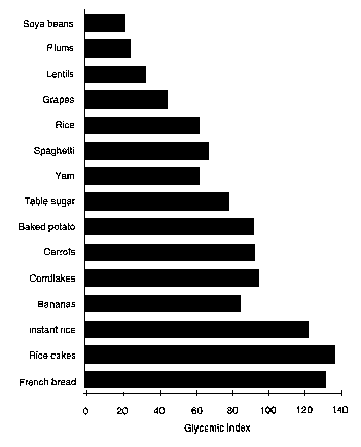
Source: The Good Calorie Diet by Philip Lipetz, Ph.D., 1994
Include in the diet as much fiber as possible from fresh vegetables and small amounts of whole grains. Grain consumption should be minimal. Small amounts of millet, quinoa, amaranth, or wild rice no bigger than the palm of your hand at mealtime is adequate. Meals should be small and frequent in order to keep blood sugar at a normal level. Protein should be included with each meal.
Whenever possible buy organically grown produce. Salad and lightly steamed vegetables should be included in at least two of your meals a day. Eating close to the zone diet would be a good building diet to get one on track. It is especially good for people with blood sugar disorders.
Green superfoods such as spirulina, barley grass
juice, and wheat grass juice are good for between meal snacks
as they help to keep the blood sugar level. Superfoods Described Snacks between meals
can include nuts and seeds. Parsley, wheatgrass, carrot (small
amounts) and celery juices, along with green vegetables build
the blood.
Herbal Therapy
- Herbs to reduce sugar craving include: gymnema sylvestre, stevia, and fenugreek.
- Licorice root simulates the adrenal function.
- Black cohosh and cayenne aid in the circulation of the blood.
- Gotu Kola stimulates brain and relieves fatigue.
- Cayenne aids in circulation of blood, which brings oxygen and other nutrients to cells in need of repair.
- Juniper berries and kelp clean and nourish the glands.
- Lady's Slipper and licorice feed the adrenals and provide energy.
- Lobelia and Mullein are good glandular foods.
- Dandelion Root acts as a blood purifier, contains an abundance of minerals, and is good for the glandular system.
- Cedar Berry, Burdock, Chaparral, Goldenseal and Siberian Ginseng have been used in combination for the treatment of hypoglycemia. This combination helps to balance the blood sugar.
Exercise Therapy
Jumping on the trampoline is excellent for cleaning the blood and the lymph. It improves circulation and helps to strengthen the immune system. It helps to build endurance and rejuvenate the body
Regular aerobics strengthens the respiratory system. Aerobic workout with weights also helps to build endurance. The number and size of blood vessels carrying blood and nutrients to the body tissues increases and nutrition improves.
Stretching reduces physical stress and fatigue.